

On‑Site Fueling vs. Traditional Delivery: Which Is Better for Your Fleet?
If you run a fleet of trucks, vans, or heavy equipment, whether for delivery, construction, or services, deciding how to fuel them matters a lot. You can either stick with the usual method: sending drivers to fuel stations. Or you can switch to on‑site (mobile/fleet) fueling, where fuel comes to your vehicles.
This article helps you understand both methods—on‑site fueling and traditional fueling. It will show when on‑site fueling makes sense and when traditional fueling might still be fine.
What is On-Site Fueling?
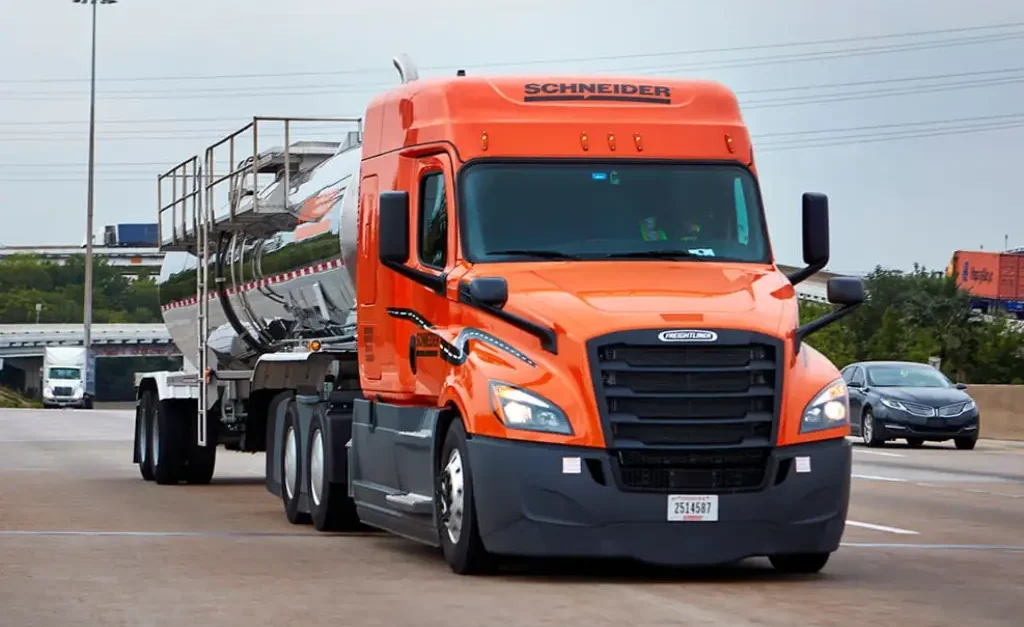
On‑site fueling means that a fuel supplier brings fuel directly to your depot, yard, or job site. Instead of drivers detouring to a gas station, a fuel truck arrives at your location and fills each vehicle while it is parked.
Often this happens during off-hours or between shifts, so vehicles are ready before the next workday begins.
What is Traditional Fueling?
How do you usually refuel? You take your vehicle to the gas station, right? Traditional fueling means drivers drive to a public fuel station (or pump), wait in a queue, fill up their tank, pay, and then return to their route. This is how most individual drivers and small-vehicle owners fuel up.
For small operations or occasional use, this method works fine. But for a big fleet, there are hidden costs and inefficiencies.
Why On‑Site Fueling Often Makes More Sense for Fleets
1. Saves Time—Keeps Vehicles Working
When fuel comes to your site, drivers don’t have to divert from their route to get fuel. No waiting in line, no traveling to stations. That means less downtime and more time doing actual work, like deliveries or services.
For companies with many vehicles, this time saving adds up significantly. You also avoid delays caused by traffic, station lines, or station closures.
2. Lower Costs—Not Just Fuel Price, But Hidden Costs Too
Traditional fueling has hidden costs: extra mileage, extra fuel used just to get to the station, vehicle wear and tear, and time lost. On‑site fueling reduces or eliminates many of these costs.
Some mobile/fleet fueling services offer bulk or wholesale pricing, often cheaper than retail pump prices. Combined with savings on labor, mileage, and vehicle maintenance, this can improve a fleet’s bottom line.
3. Less Wear & Tear on Vehicles—Longer Fleet Life
Every unnecessary trip to a fuel station means extra miles, extra engine hours, and eventually more maintenance. On‑site fueling reduces unneeded driving, reducing wear and tear. This can extend the lifespan of your vehicles and lower repair costs.
4. Better Scheduling, Flexibility & Reliability
With on‑site fueling, fueling can be scheduled when it’s most convenient—during off‑hours, between shifts, or overnight. That means your vehicles can start each day fully fueled and ready to go.
This flexibility is especially helpful if your fleet works early-morning shifts or odd hours or operates in remote or busy areas.
5. Improved Fuel Management, Transparency & Safety
Mobile fueling services often come with record‑keeping, reporting, and tracking: you know exactly which vehicle was refueled, when, and how much fuel was added. This helps with budgeting, audits, and prevents misuse or theft.
Also, professional on‑site fueling reduces the risk of accidents or fuel spills compared to public stations—especially when done at a controlled depot or job‑site.
When Traditional Fueling Can Still Be Better
On‑site fueling is not always the best solution. Here are cases when traditional fueling might make sense:
- Small fleets or occasional use: If you have only a few vehicles and they don’t run often, the cost and logistics of setting up on‑site fueling might not justify the expense.
- Close to good fuel stations: If there are good, fast, low‑cost fuel stations near your operations and your vehicles’ routes already pass near them, traditional fueling may be simpler.
- Low fuel demand: If you don’t need fuel often or in large volumes, the overhead of coordinating on‑site fueling might outweigh the benefits.
- Regulatory or storage limitations: In some areas, regulations may restrict fuel delivery, storage, or on‑site refueling. If compliance is hard or risky, traditional fueling may be safer.
Who Benefits Most from On‑Site Fueling
On‑site (mobile / fleet) fueling is especially useful for:
- Large fleets with many vehicles.
- Delivery companies, logistics services, waste‑management fleets, and construction companies, where vehicles operate frequently.
- Operations with tight schedules, early starts, or shift-based work where time matters.
- Companies want to reduce costs, maintenance, fuel waste, or theft.
- Fleets that operate in busy/remote areas with poor station access or unpredictable fuel supply.
Bottom Line: On‑Site Fueling Looks Smarter for Active Fleets
For fleets that run regularly and have many vehicles, on‑site fueling usually wins against traditional fueling in efficiency, cost, scheduling, safety, and maintenance. It turns fueling into a smooth, managed process.
Traditional fueling might still suit small fleets or rare use, but for bigger operations, the time, money, and operational savings make on‑site fueling a stronger, more professional solution.